Stress in the Strands
What does your hair say about you? Hair color and styles have always been an important component of human self-expression. But your hair can share more about you than just your personality.
The mission of Science Matters is to bring you great news in biomedical research in a way that you can appreciate and understand.
What does your hair say about you? Hair color and styles have always been an important component of human self-expression. But your hair can share more about you than just your personality.
Do you or someone you know play a sport? According to the National Survey of Children’s Health, over half of children and adolescents aged 6-17 years were involved in an organized sport such as soccer, basketball, or baseball in 2023, and this number continues to rise.
According to the National Cancer Institute, over 2 million Americans were diagnosed with cancer in 2025. The average age of someone who receives a cancer diagnosis is 65-74 years. But young people can develop cancer too, and their cancers can be quite distinct from adult cancers.
We do all sorts of things to freshen our breath. Mints, gum, or mouthwash can all do the trick to mask the smell of bad breath or a recent meal. What if some of those smells on your breath could actually tell you something about your health?
Have you ever wondered what happens after you flush the toilet? Where does all that water and sewage go? In most parts of the world with sanitation systems to manage sewage, everything you flush down the toilet ends up at a sewage treatment facility.
The parasitic worm Schistosoma mansoni (S. mansoni) infects an estimated 250 million people around the world. It infects humans by directly penetrating the skin, usually without causing any itching or pain.
Imagine that it’s your first day at a new school. You don’t know any of the other students, and you’re hoping to make some friends.
When you go to get a vaccine, it is common practice for the health care provider who will give the shot to ask your preferred location.
Promising preliminary data on treatment of seizures with tofacitinib.
As a child, Teddy recalled that his mother used to give him a cup of strong coffee in the morning for breakfast.
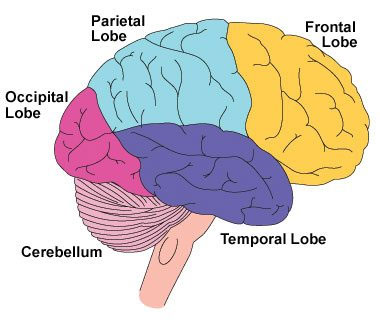
Have you ever wondered what happens to your brain in outer space?
How old were you when you first learned to read?
Charles Darwin was an English naturalist and explorer in the 1800s well known for his contributions to evolutionary biology.
When you are working on a math assignment or writing a paper, what are the sounds around you? Are family members or friends talking loudly? Are you listening to music? Or perhaps you prefer total silence?
It’s wintertime, and the uptick in winter-related illnesses is all around us. The majority of illnesses that tend to peak in the wintertime are caused by viruses, including COVID-19, influenza, and the common cold.
We continue the focus on digital habits, highlighting research into the impacts of screen use on young people’s sleep.
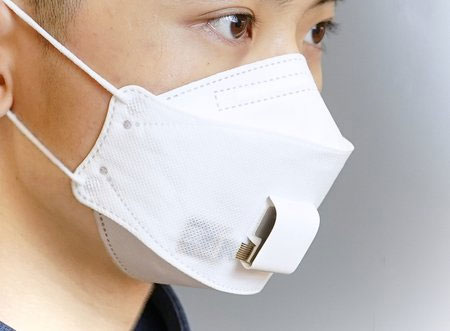
Since the start of the COVID-19 pandemic in 2020, face masks have become an important tool in the prevention of respiratory diseases such as COVID-19, flu, and the common cold.
Doomscrolling refers to the behavior of excessive scrolling on social media for negative news, such as stories about crime, social or political crises, or natural disasters.
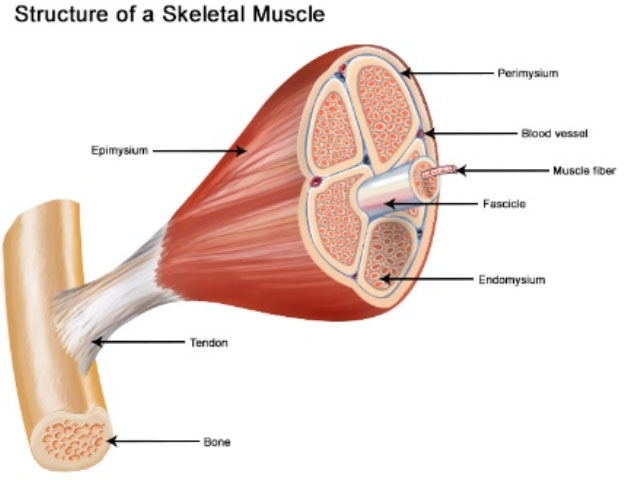
Did you know that skeletal muscle accounts for approximately 40% of your body weight? Skeletal muscles are all the muscles that attach to your bones. You can increase their flexibility by stretching and strengthen them with exercise.
While biologists have known about glycans for decades, their diversity and complexity have presented challenges for identifying glycan structures and functions.
Did you know that coral reefs are living organisms? What looks like a stationary rock or plant is actually a colony of tiny animals called coral polyps, from the same group of animals as sea anemones and some jellyfish.
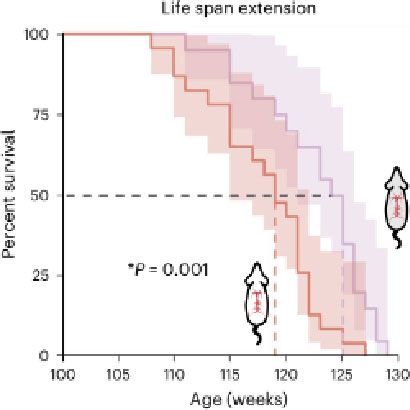
How old you are (chronological age) and how old your cells and tissues are (biological age) are distinct. Biological age can be measured by using epigenetic biomarkers of aging.
Did you know that there are an estimated 7,000 languages spoken by humans around the world? Approximately half of these languages have no written form. Those that do have a written form use a total of about 30 different writing systems.
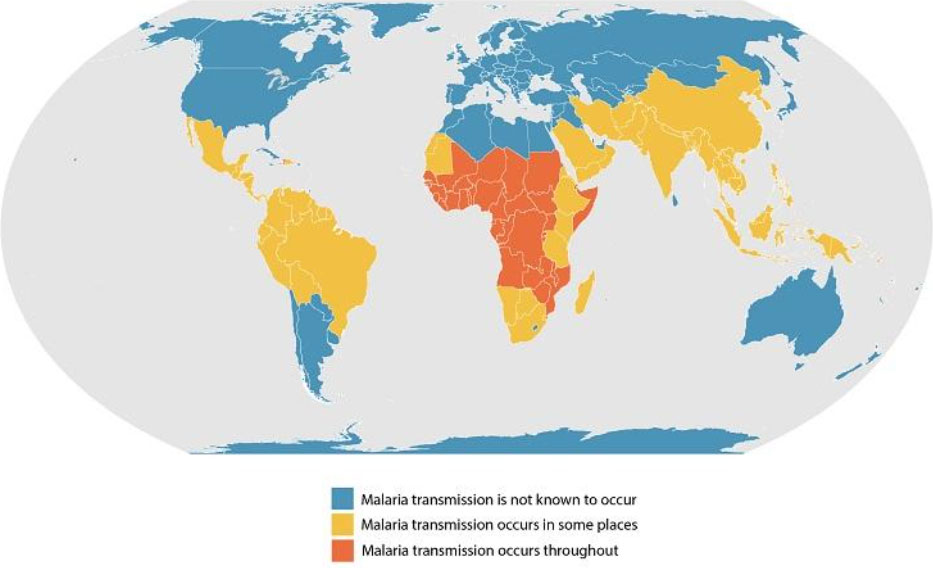
Did you know that in 2023 nearly half of the world’s population was at risk for malaria? Malaria is caused by mosquito-borne parasites and is widespread in tropical climates.
Adolescence is a critical phase of life typically marked by the physical changes of puberty and behavioral changes as young people seek more independence from their parents, engage with new environments, and become more sensitive to social relationships.
Diabetes is a chronic medical condition characterized by the body’s decreased ability to utilize sugar. If diabetes is not controlled, it can lead to complications including delayed wound healing and nerve damage of the corneas.
According to the World Health Organization, obesity has reached epidemic proportions, with an estimated 4 million people dying each year as a result.
How many of you get enough sleep each night? The American Academy of Sleep Medicine recommends that children ages 6-12 years get 9-12 hours of sleep per night and adolescents ages 13-18 years get 8-10 hours of sleep per night.
According to the American Veterinary Association, over one-third of American households include a pet dog.
One of the distinguishing characteristics of the human species is our ability to move around on two—not four—limbs. However, take a closer look at the arms of a human on the move, and you’ll see that they swing in a coordinated pattern. When the right foot goes forward, the left arm moves forward as well.
According to the American Psychological Association (APA), a growing number of children and adolescents are experiencing mental health challenges.
Have you ever wondered why we tend to get sicker in cold weather? New research by Dr. Mansoor Amiji at Northeastern University and Dr. Benjamin Bleier at Harvard Medical School shows that lower temperatures make our immune system less effective against viral illnesses.
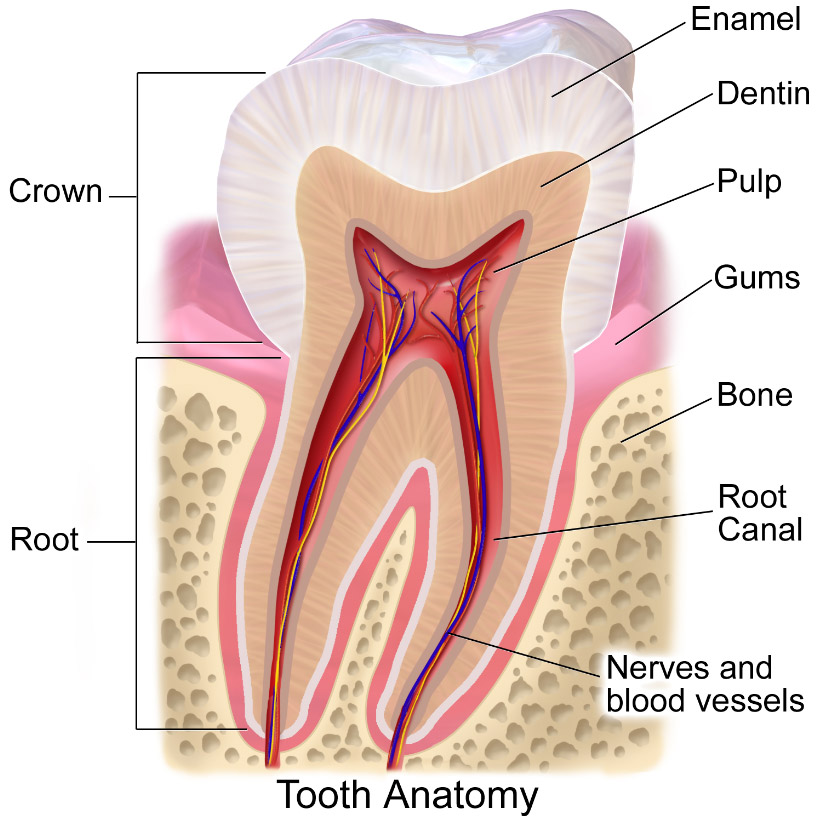
Teeth can tell researchers clues about our lives. These researchers hypothesized that stressful moments in one’s life might leave behind a record in the teeth, such as through stress lines in the teeth enamel or changes in enamel density, enamel volume, and pulp volume.
Massage is an ancient therapeutic practice that can support healing and pain relief in a variety of conditions. It has been difficult for researchers to study the specific mechanisms and effects of massage due to the multitude of massage techniques and differences between specific practitioners.
Asthma is a respiratory condition that can be triggered by many allergens, including pollen. As pollen-producing plants spread with the changing global climate, allergies and allergic asthma are expected to worsen.
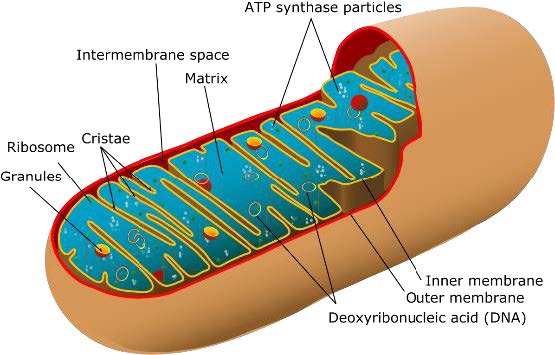
Mitochondria play a critical role in cellular function as the site of energy conversion. Dysfunction or dysregulation of mitochondria has been associated with aging-related and neurodegenerative diseases.
Sugar substitutes, also called non-nutritive sweeteners (NNS) are popular sugar replacements to get a sweet taste without the calories. The U.S. Food and Drug Administration has approved eight NNS for consumption in the United States. However, the potential health effects of NNS consumption during pregnancy and in people taking certain medications remain unknown.
Acral melanoma is a rare form of melanoma that typically affects the palms of the hands, soles of the feet, and nailbeds.