News and Information from NESBR

Dr. Kerry J. Ressler: His Contributions to Human Understanding of Fear

Dr. Kerry J. Ressler: His Contributions to Human Understanding of Fear

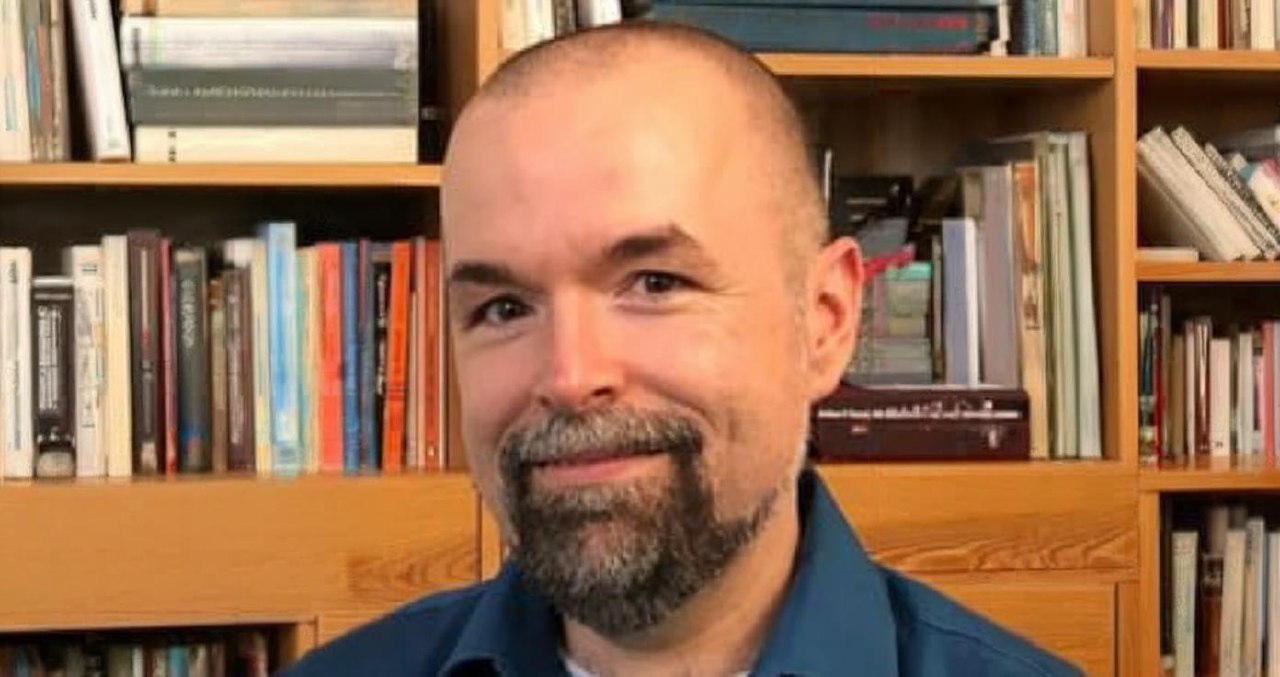
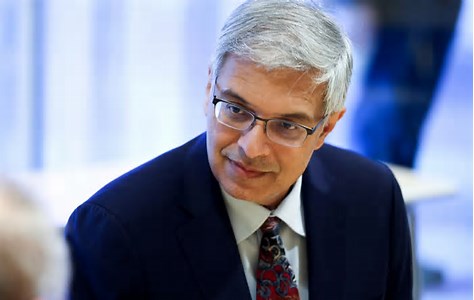
Dr. Kerry J. Ressler, Chief Scientific Officer at McLean Hospital and a professor of psychiatry at Harvard Medical School, stands as one of the world’s pre-eminent leaders in the neurobiology of fear, anxiety, and trauma-related disorders and serves on the executive committee of the Board of the New England Society for Biomedical Research.

MSMR is Announcing the Beech Tree Scholars Program

MSMR is Announcing the Beech Tree Scholars Program

Beech trees are associated with knowledge and wisdom, are valued for their strength and broad canopy, and are emblematic of the way in which both Colleen and Angie generously shared their time, knowledge and passion for research ethics and regulation.

Science Matters!

The mission of Science Matters is to bring you great news in biomedical research in a way that you can appreciate and understand.

Sensing the Future of Diabetes Diagnosis

Sensing the Future of Diabetes Diagnosis

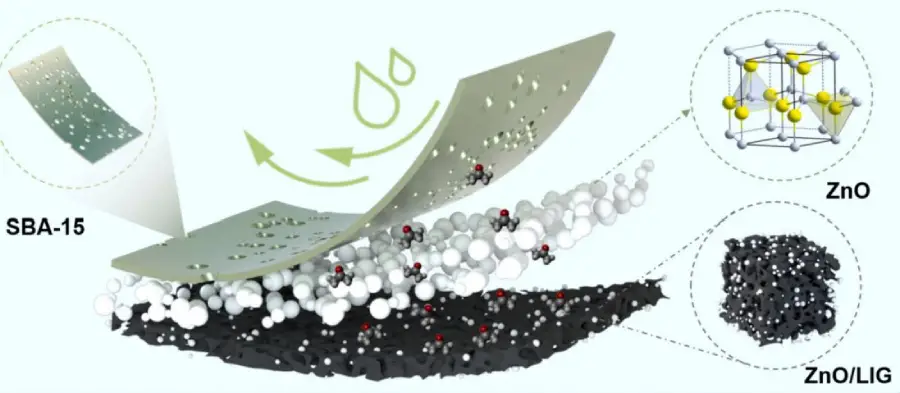
We do all sorts of things to freshen our breath. Mints, gum, or mouthwash can all do the trick to mask the smell of bad breath or a recent meal. What if some of those smells on your breath could actually tell you something about your health?

Allergens in the Spotlight

Allergens in the Spotlight

Have you ever wondered what happens after you flush the toilet? Where does all that water and sewage go? In most parts of the world with sanitation systems to manage sewage, everything you flush down the toilet ends up at a sewage treatment facility.

Parasitic Worms: Masters of Manipulation

Parasitic Worms: Masters of Manipulation

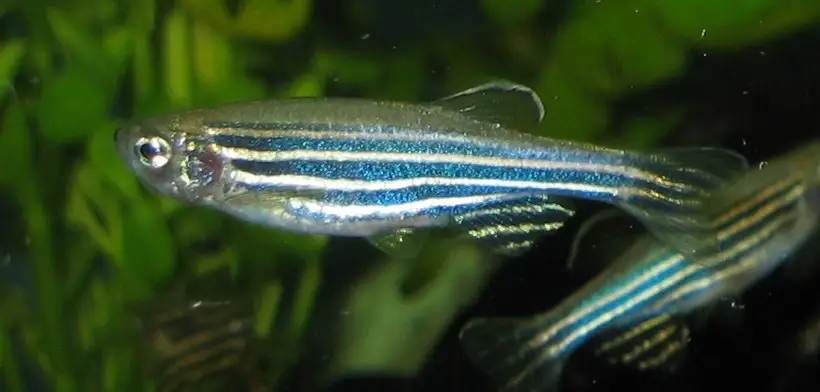
The parasitic worm Schistosoma mansoni (S. mansoni) infects an estimated 250 million people around the world. It infects humans by directly penetrating the skin, usually without causing any itching or pain.

Wired for Connection

Wired for Connection

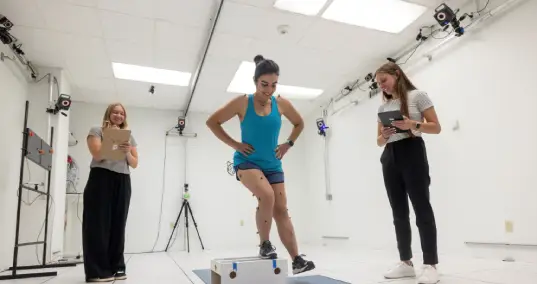
Imagine that it’s your first day at a new school. You don’t know any of the other students, and you’re hoping to make some friends.

Need a Boost?

Need a Boost?

When you go to get a vaccine, it is common practice for the health care provider who will give the shot to ask your preferred location.

Follow the Data

Follow the Data

Promising preliminary data on treatment of seizures with tofacitinib.

About the Science Matters Program

The world is full of people who discover things — big things, little things, mysterious things. While the rest of us eat breakfast or go to class or IM, scientists do science.

Teams of people may work for months or years to advance a piece of knowledge; they depend on the people who came before; they help the people who come later.

Science Matters highlights a breakthrough each month and gives some information about the people behind it. You can learn what’s going on in your scientific back yard, and to dig a lot deeper if you want.

Right now, someone is announcing a new insight or a new discovery that could have a huge impact on all of us. Guaranteed.

But most of us don’t read scientific journals or attend scientific conferences. So we do not hear about such discoveries. The news doesn’t always make it onto TV or into newspapers. Often, even finding it on the Internet is hard. And it’s presented for the benefit of other scientists, not students in middle and high school.

The mission of Science Matters is to bring you great news in biomedical research in a way that you can appreciate and understand.

Each month we’ll put a new story here. What kind? Something that opens a whole new window on human or animal life. Or, something that might, after more research and development, lead to a cure for an illness, or a new way to treat a medical condition.

Members

Our members power our education and advocacy. Consider joining today!

Become a Member

Join our community today.

Current Members

Sign in to your account.