
Dr. Kerry J. Ressler, Chief Scientific Officer at McLean Hospital and a professor of psychiatry at Harvard Medical School, stands as one of the world’s pre-eminent leaders in the neurobiology of fear, anxiety, and trauma-related disorders and serves on the executive committee of the Board of the New England Society for Biomedical Research. Over his distinguished career, Dr. Ressler has made groundbreaking discoveries that bridge the divide between basic neuroscience and clinical psychiatry, greatly deepening our understanding of how humans experience, process, and potentially overcome fear.
Background and Education
Dr. Ressler’s scientific journey began with a Bachelor of Science in Molecular Biology from the Massachusetts Institute of Technology, followed by a combined MD/PhD in neuroscience from Harvard Medical School. His early research experiences informed his translational approach that still marks his work—seamlessly connecting animal models of behavior with the lived experiences of human patients.
Research Focus and Laboratory Leadership
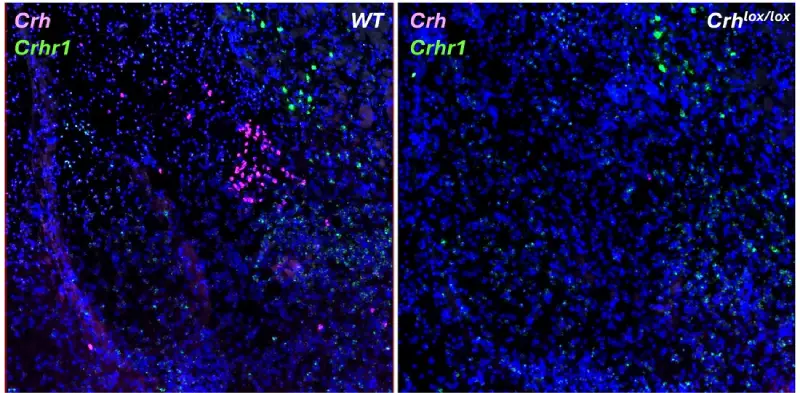
At the helm of the Neurobiology of Fear Laboratory, first at Emory University and now at McLean Hospital, Dr. Ressler has pioneered the integration of molecular, genetic, epigenetic, and circuit neuroscience with clinical research on fear, post-traumatic stress disorder (PTSD), and related conditions. His team uses advanced mouse models and sophisticated neurogenetic tools—such as optogenetics, cell-type specific profiling, and DNA methylation analysis—alongside studies of large human populations.
Major Contributions to Fear Research
Dr. Ressler’s work has illuminated the role of the amygdala—a key brain structure—in the encoding and retrieval of fearful memories. Early findings from his lab showed how molecular signaling within the amygdala orchestrates fear learning and extinction, offering insight into why some individuals develop persistent fears after trauma while others recover.
He played a leading role in the Grady Trauma Project, which investigates how trauma exposure and genetic risk factors contribute to the intergenerational transmission of PTSD and depression, enrolling over 13,000 diverse urban residents. Dr. Ressler’s laboratory was also central to the AURORA Project and the Psychiatric Genomics Consortium’s PTSD workgroup, which together represent the largest joint efforts to map the genetic risk for PTSD across hundreds of thousands of individuals.
One of his recent accolades includes co-leading the world’s largest genome-wide association study (GWAS) of PTSD, which analyzed over one million subjects and identified approximately 100 significant genetic loci tied to disease risk. This study marks a pivotal advance in psychiatry, transforming PTSD from a clinical syndrome to a disorder with discernible genetic and biological architecture.
Impact on Treatment and Public Health
Dr. Ressler’s ultimate goal is to translate the neurobiological and genetic understanding of fear into real-world treatments for patients. His discoveries have laid the groundwork for personalized medicine approaches, suggesting new molecular drug targets, and inspiring innovative interventions that can be implemented in emergency rooms, war zones, or in the aftermath of mass trauma.
He frequently emphasizes that psychiatry’s next frontiers depend on bridging molecular insights and clinical outcomes, advocating for new paradigms in how society understands and responds to trauma-related illnesses. Dr. Kerry J. Ressler’s body of work exemplifies the power of translational neuroscience to reshape how science, medicine, and society understand the nature of fear. His research not only answers fundamental questions about the biology of emotion but also offers hope to millions suffering from fear-based disorders worldwide. Through his commitment to research, mentorship, and advocacy, Dr. Ressler continues to inspire a new generation of scientists dedicated to alleviating human suffering through the science of the mind.